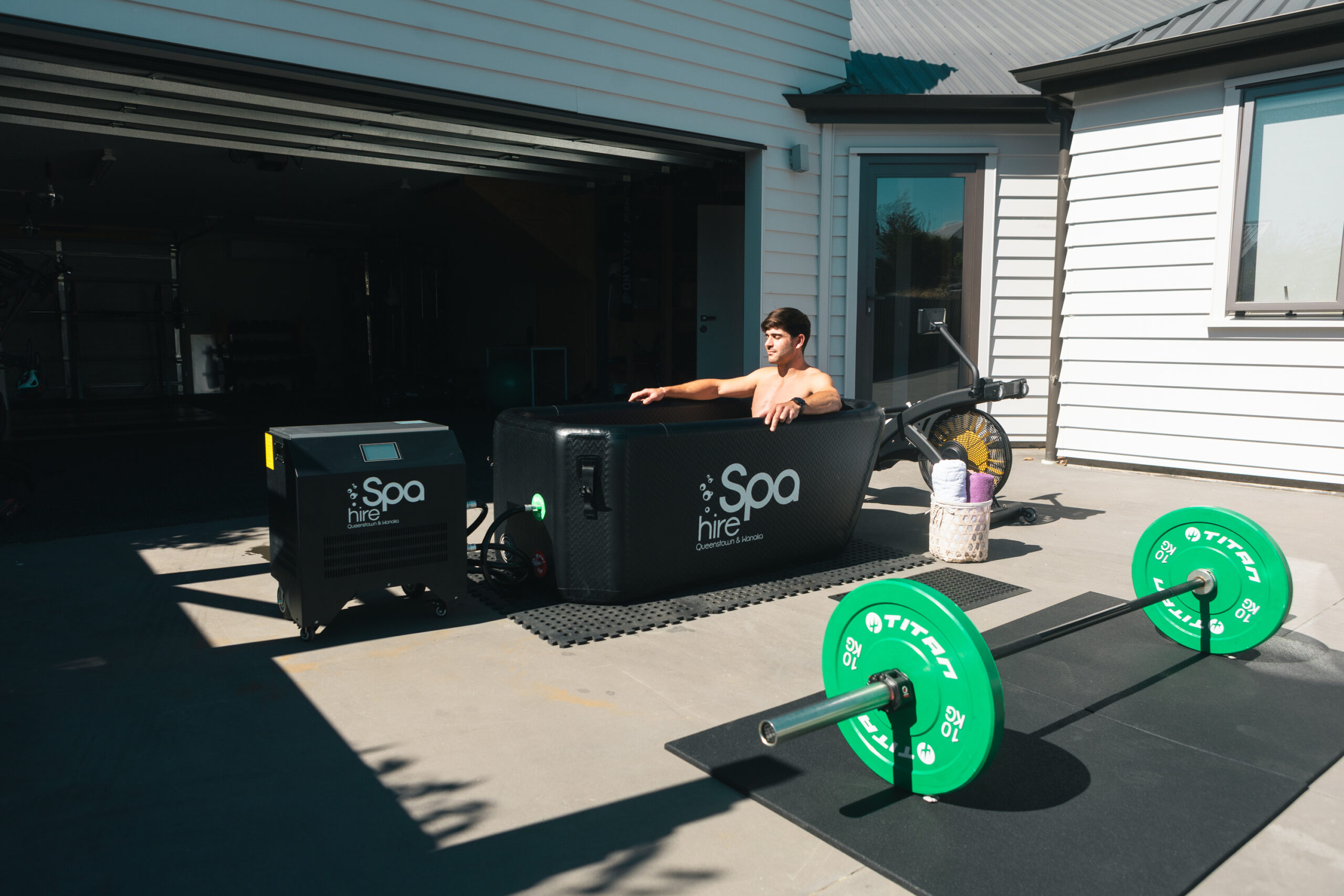
Cold water has a way of taking your breath away—literally.
The moment you step into a cold plunge pool, your body’s natural reaction is to gasp, tense up, and breathe quickly. But learning to control your breathing in the cold can completely change your experience. With the right approach, steady breaths can help calm your nervous system, reduce the shock response, and allow you to stay in the water longer and more comfortably. In this post, we’ll explore simple techniques to help you breathe better and get more out of your cold plunge.
Mental Preparation
– Visualization: Before entering, close your eyes and visualize the experience. Picture yourself relaxed and comfortable in the cold water.
– Positive Affirmations: Repeat affirmations that reinforce your confidence and control, such as “I can handle this cold” or “I am in control of my breathing.”
Deep Breathing Technique
– Diaphragmatic Breathing: Practice breathing deeply from the diaphragm rather than shallowly from the chest. Place one hand on your abdomen to ensure it rises as you inhale.
– Inhalation: Slowly inhale through your nose, counting to 4.
– Retention: Hold your breath for 2 seconds.
– Exhalation: Slowly exhale through your mouth over 6-8 seconds. This will help release tension.
Controlling the Breathing Rhythm
– Establish a Rhythm: Find a breathing rhythm that feels comfortable to you. For example, inhale for 4 seconds, hold for 2 seconds, and exhale for 6 seconds.
– Stay Calm: Focus on breathing deeply and steadily rather than rushing. This will reduce feelings of anxiety when entering the cold water.
Entering the Water
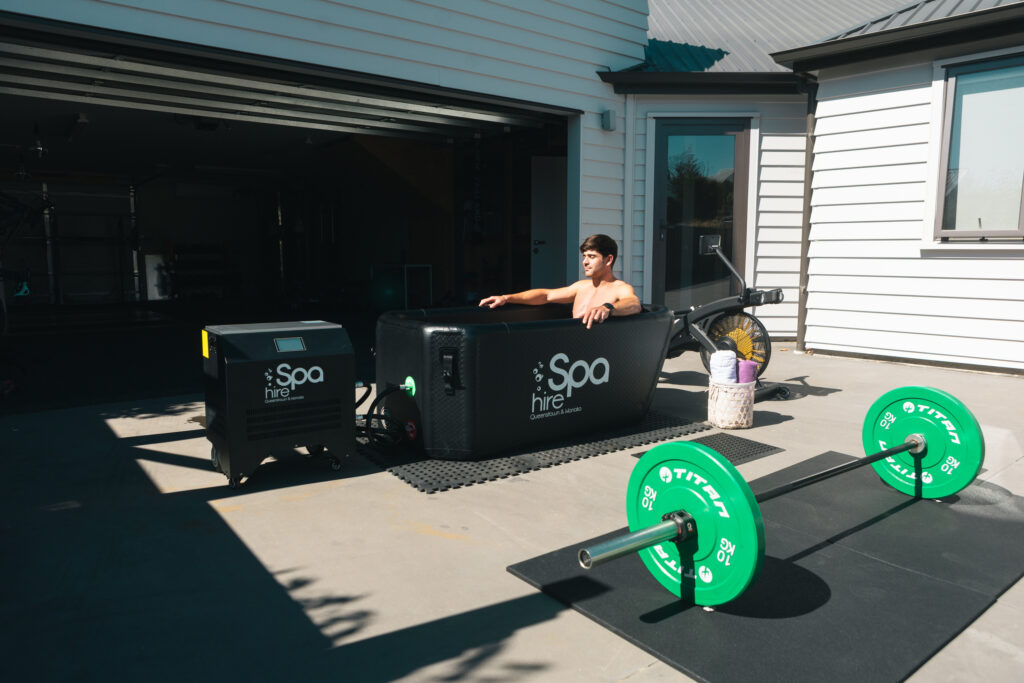
– Gradual Entry: When entering, do so gradually—start with your legs, then lower body, and finally your torso.
– Maintain Controlled Breathing: After entering, take a couple of deep, slow breaths, adjusting your breathing rhythm as needed to manage the cold.
While in the Water
– Mindful Breathing: While in the water, continue with deep, controlled breaths. If you feel your breathing quickening, refocus on maintaining your established rhythm.
– Shoulder Relaxation: Try to keep your shoulders relaxed and avoid tensing your body. The more relaxed you are, the more comfortable you will feel in the cold water.
Exiting the Water
– Deep Breaths on Exit: As you exit, continue taking deep breaths to help regulate your body temperature and reduce discomfort.
Consistent Practice
– Breathing Exercises: Consider practicing breathing techniques such as mindful breathing, meditation, or yoga to improve your respiratory capacity and comfort in cold situations.
The more you practice these breathing techniques, the more comfortable you will feel entering a cold plunge, allowing you to enjoy the experience longer. Patience and practice are key. If you have any more questions or need further information, feel free to ask.